Karthik: Gambhir's Axar call was the key moment in India's record chase
India's highest successful T20I chase came with some nervous moments in the middle. Dinesh Karthik now says one tactical call in that stretch deserves more credit than the big scores around it.
India reached 230 for 6 in 19.4 overs at Hagley Oval on October 22, with two balls to spare. That beat New Zealand's 225 for 4 and gave India a 1-0 lead in the five-match series. The target of 226 went past India's earlier best of 209. They had managed that twice, against Australia in Visakhapatnam in 2023 and against New Zealand in Raipur in January this year.
The chase began in explosive fashion. Sanju Samson and Abhishek Sharma added 93 before the first wicket fell, and India finished the powerplay in the mid-nineties. Samson top-scored, reaching a fifty off just 33 balls. Abhishek's 29 came off only 12 deliveries.
Then the innings wobbled. Mitchell Santner and Michael Bracewell bowled in tandem and slowed the scoring. India went from 115 for 1 to 122 for 4 in a matter of nine deliveries. The batting order had also been reshuffled. Tilak Varma was sent in at No. 3 ahead of Ishan Kishan, the top-ranked T20I batter. Tilak could not get going and fell to Bracewell in the tenth over. Karthik said the order change was questionable. He suggested there must have been a reason, though he did not know what it was.
**The Axar decision**
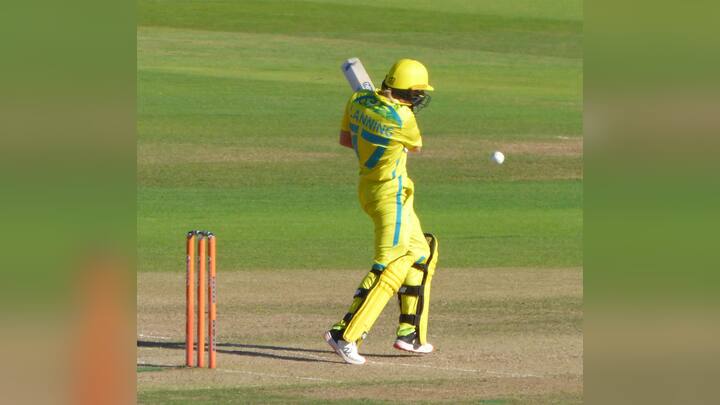
At 122 for 4, Gambhir sent in left-hander Axar Patel at No. 6. That meant Axar came ahead of Naman Dhir and Nitish Kumar Reddy. Karthik's view is that this was the most crucial part of the innings. His reasoning was that the two spinners were taking the game away from India. A left-hander who could hit through the line was the right man to disturb them.
Axar hit two boundaries in his first five balls, which eased the pressure on the batters around him. He and captain Shreyas Iyer added 45 in 24 balls for the fifth wicket. Axar fell to Lockie Ferguson for 24 off 14. By then the required rate had been brought back under control. Karthik noted that Axar walked in with a clear plan and played the shots he is best at. He also said the cameo took pressure off Iyer, who was anchoring the middle overs.
Iyer, leading the side, made 42 off 28 balls. Karthik credited him with holding the chase together through the middle.
**Dhir finishes it, depth helps**
Dhir then took over in the closing overs. He finished unbeaten on 42 off 15 balls, with five fours and two sixes. India needed eight from the last over. He hit Matt Henry for four and then ended the game with a six off the fourth ball. Karthik praised his ability to go big from the first ball he faces.
Karthik also pointed to India's batting depth. Nitish Kumar Reddy was available at No. 8, so a bowler like Arshdeep Singh did not have to bat in the closing stages. That changes how the set batter plays. Without that cushion, the man at the crease would have had to protect the strike and take fewer risks. With it, India could keep attacking.
New Zealand's total had been built on Glenn Phillips' unbeaten 82. Dew and a skidding surface helped the chasing side. India's bowlers were expensive, so the batters had to win this one.
**What it means for India**
This was India's first white-ball assignment of the New Zealand tour. It was also a reminder that the T20I side now chases targets above 220 with confidence. The result also raises selection questions, because several batters did well in different roles. Karthik has suggested that Dhir's finish adds pressure on some other players in the squad.
For Gambhir, the match showed his willingness to rotate the batting order on the day, even when it looks odd on paper. Moving Tilak up did not work. Axar's promotion did, and it rescued the chase when the spinners were on top. With four matches left, India will want that flexibility to keep paying off.